If You Wake Up With Jaw Pain and a Headache, Here's What May Be Happening
Waking up with a sore jaw, tight facial muscles, or a headache can be frustrating, especially when you went to bed expecting to feel rested. If it happens regularly, the problem may be connected to what your jaw is doing while you sleep.
One possible cause is sleep bruxism, which involves involuntary clenching or grinding of the teeth during sleep. This can place repeated stress on the jaw muscles and joints and may contribute to morning facial pain, headaches, tooth sensitivity, or jaw stiffness.
Sleep quality may also be part of the picture. Snoring, disrupted breathing, and other sleep-related issues can occur alongside nighttime jaw activity, so looking at the symptoms together can provide a more complete understanding of what's happening.
At Minnesota Craniofacial Center, Dr. Ledermann and our team evaluate jaw, facial pain, and sleep-related concerns together when appropriate. Understanding the possible connection can be the first step toward finding an approach that addresses more than just the symptoms you notice when you wake up.
Key Takeaways
- Waking up with jaw pain and headaches may be related to nighttime clenching or grinding.
- Sleep bruxism can place repeated stress on the jaw muscles, joints, and teeth while you're asleep.
- Sleep quality and breathing problems may also be relevant when morning jaw pain and headaches occur together.
- Stress and relaxation techniques may help some people, but they can't necessarily prevent involuntary nighttime jaw activity.
- A night guard may help protect teeth, but different symptoms may require a broader evaluation.
- Recurring morning jaw pain, headaches, or other related symptoms are worth discussing with a qualified healthcare professional.
- An evaluation can look at the jaw, muscles, teeth, bite, and sleep-related symptoms together to help identify possible contributing factors.
Why Your Jaw May Hurt When You Wake Up
Your jaw muscles are active throughout the day when you talk, chew, swallow, and make facial expressions. During sleep, however, you generally aren't consciously using those muscles.
With sleep bruxism, the jaw may still become active during the night. Some people clench their teeth for extended periods, while others experience repeated episodes of grinding or rhythmic jaw movements. Because you're asleep, you may have no idea it's happening.
Repeated muscle activity can leave the jaw feeling tired or sore by morning. You may notice discomfort around the jaw joints, cheeks, temples, or even the neck. Some people also experience tooth sensitivity or increased wear on their teeth over time.
The important point is that morning jaw pain doesn't necessarily mean the problem started that morning. If nighttime clenching or grinding is involved, the discomfort may be the result of hours of muscle activity that occurred while you were asleep.
Why Jaw Clenching Can Cause Morning Headaches
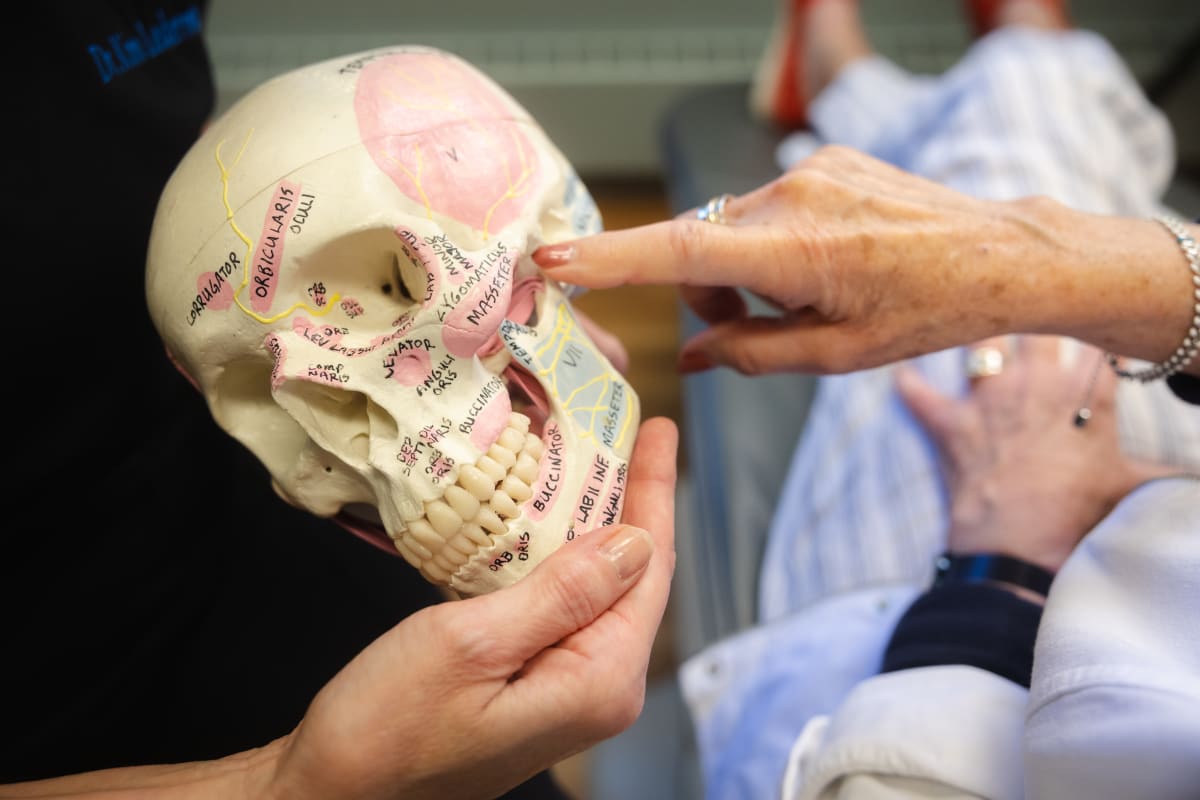
Jaw muscles are closely connected to the areas where some people experience tension-type headaches. The temporalis muscle, for example, extends across the side of the head near the temples and helps with jaw movement.
When the jaw muscles remain active for extended periods during sleep, they can become fatigued and tense. That tension may contribute to discomfort around the temples, forehead, or behind the eyes.
This is one reason jaw pain and morning headaches can appear together. They aren't necessarily two unrelated problems. In some cases, both symptoms may be associated with the same underlying muscle activity.
That doesn't mean every morning headache comes from the jaw. Headaches have many possible causes, which is why recurring symptoms are worth discussing with a qualified healthcare professional rather than assuming bruxism is responsible.
How Sleep Quality May Fit Into the Picture
Jaw activity is only one part of what may be happening during sleep. Some people who grind or clench their teeth also experience snoring or disrupted breathing during the night.
Sleep-related breathing problems can interfere with normal sleep cycles and affect how rested you feel the next morning. They may also occur alongside nighttime jaw activity, which is why symptoms such as morning headaches, jaw soreness, snoring, dry mouth, and unrefreshing sleep can be useful to discuss together.
This doesn't mean that sleep apnea or another breathing disorder is necessarily causing your jaw pain. Rather, it means that recurring morning symptoms may warrant looking beyond the jaw alone.
If you also snore or have concerns about your sleep quality, our information on snoring and sleep apnea provides more detail about the connection between sleep and oral health.
Why Relaxing Before Bed May Not Stop the Problem
It makes sense to assume that nighttime jaw tension is simply a result of stress. Stress can play a role in clenching and grinding, but sleep bruxism isn't something you can necessarily control by consciously relaxing before bed.
Once you're asleep, you're not consciously deciding to clench your teeth. That's why strategies such as reducing stress, practicing relaxation techniques, or being more aware of your jaw position during the day may not fully resolve nighttime symptoms.
A night guard can also have an important role in protecting teeth from the effects of grinding. However, different appliances serve different purposes, and protecting the teeth is not necessarily the same as identifying why the jaw muscles are becoming active during sleep.
If symptoms continue despite your efforts to manage them, that may be a reason to have the underlying problem evaluated rather than simply adding another strategy to your routine.
When Should You Have Morning Jaw Pain Evaluated?

An occasional headache or sore jaw isn't necessarily cause for concern. But if you regularly wake up with jaw pain, facial soreness, headaches, or other symptoms, the pattern is worth discussing with a healthcare professional.
An evaluation may be especially appropriate if you also notice:
- Frequent morning headaches
- Jaw stiffness or soreness when you wake up
- Tooth sensitivity or signs of significant wear
- Clicking, popping, or discomfort around the jaw joints
- Facial or temple pain
- Snoring or disrupted sleep
- Waking up feeling tired despite getting enough hours of sleep
These symptoms can have several possible causes, so the goal isn't to assume that nighttime grinding is responsible. It's to determine whether the symptoms are connected and identify what may be contributing to them.
What Happens During an Evaluation?
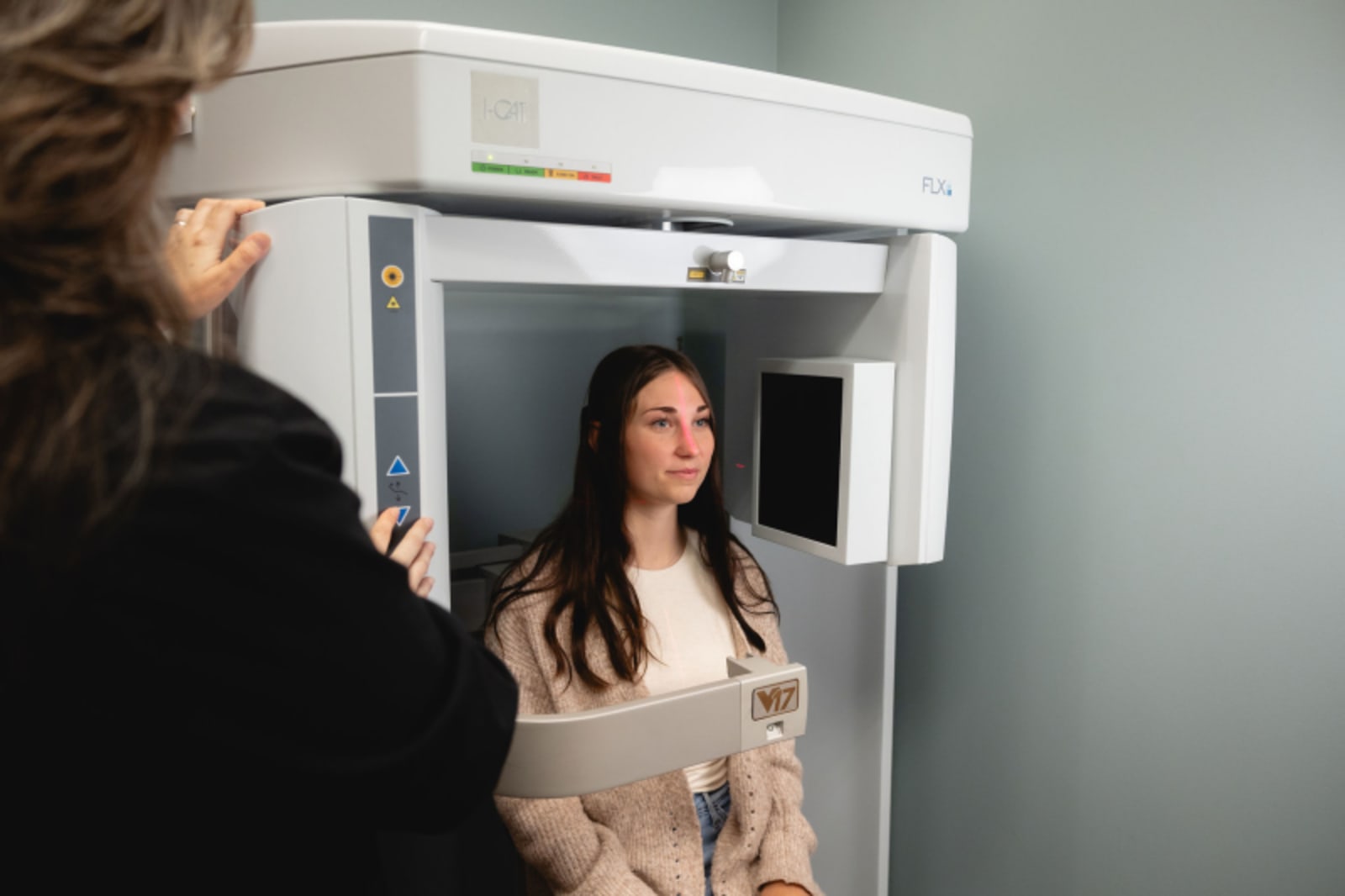
When morning headaches and jaw pain occur together, looking at each symptom individually may not provide the full picture. An evaluation can consider your jaw joints, muscles, bite, dental history, symptoms, and sleep patterns to help identify potential contributing factors.
Your provider may ask when your symptoms occur, how frequently they happen, whether anyone has noticed grinding or clenching while you sleep, and whether you experience other sleep-related symptoms. An examination of the jaw and surrounding structures can provide additional information.
We want to understand what may be contributing to your symptoms, rather than simply treating the headache or jaw soreness each morning.
What Treatment May Look Like

Treatment depends on what's contributing to your morning jaw pain, headaches, or nighttime clenching. Once the underlying factors are identified, there are several possible directions care may take.
- For sleep bruxism, treatment may include a custom dental appliance designed to protect the teeth and reduce the effects of nighttime clenching or grinding. Depending on your symptoms, treatment may also address jaw muscle tension, joint discomfort, or other factors affecting how your jaw functions.
- For TMJ or jaw-related pain, treatment may focus on reducing stress on the jaw joints and muscles and improving overall jaw function. The appropriate approach depends on the specific structures involved and the severity and duration of your symptoms.
- For sleep-related concerns, treatment may involve evaluating symptoms such as snoring, disrupted breathing, or poor-quality sleep. If a sleep-related breathing disorder is identified, addressing the underlying sleep issue may become an important part of treatment. Options can vary depending on the type and severity of the problem and may include oral appliance therapy or other sleep-focused approaches.
- For headaches associated with jaw or sleep problems, the focus is often on addressing the contributing factor rather than treating the headache alone. If nighttime clenching, jaw dysfunction, or disrupted sleep is contributing to your symptoms, treating that underlying issue may help reduce the frequency or severity of your morning headaches.
Not everyone needs the same treatment, and some people may benefit from more than one approach. The purpose of an evaluation is to determine which factors are actually contributing to your symptoms so your care can be directed toward the underlying problem.
Helping Saint Paul Patients Achieve Relief
Waking up with a sore jaw or headache once in a while may not mean there's an underlying problem. But when it becomes part of your normal morning routine, it's worth finding out why.
You don't have to figure out on your own whether you're grinding your teeth, experiencing a jaw disorder, or dealing with a sleep-related issue. An evaluation can help connect the symptoms and determine whether further treatment would be appropriate.
If you're regularly waking up with jaw pain, headaches, or both, contact Minnesota Craniofacial Center at (651) 642-1013 to schedule an evaluation. Our Saint Paul team can help you take a closer look at what's happening and determine what steps, if any, make sense for you.