What Specialist Is Better Suited to Treat TMJ and Chronic Headaches?
If you've been dealing with both jaw pain and chronic headaches, you may have already seen more than one type of provider. A neurologist may have evaluated your headaches, while your dentist looked at your teeth, bite, or signs of grinding. Both appointments may have been helpful, but you may still feel like no one has looked at how all of your symptoms fit together.
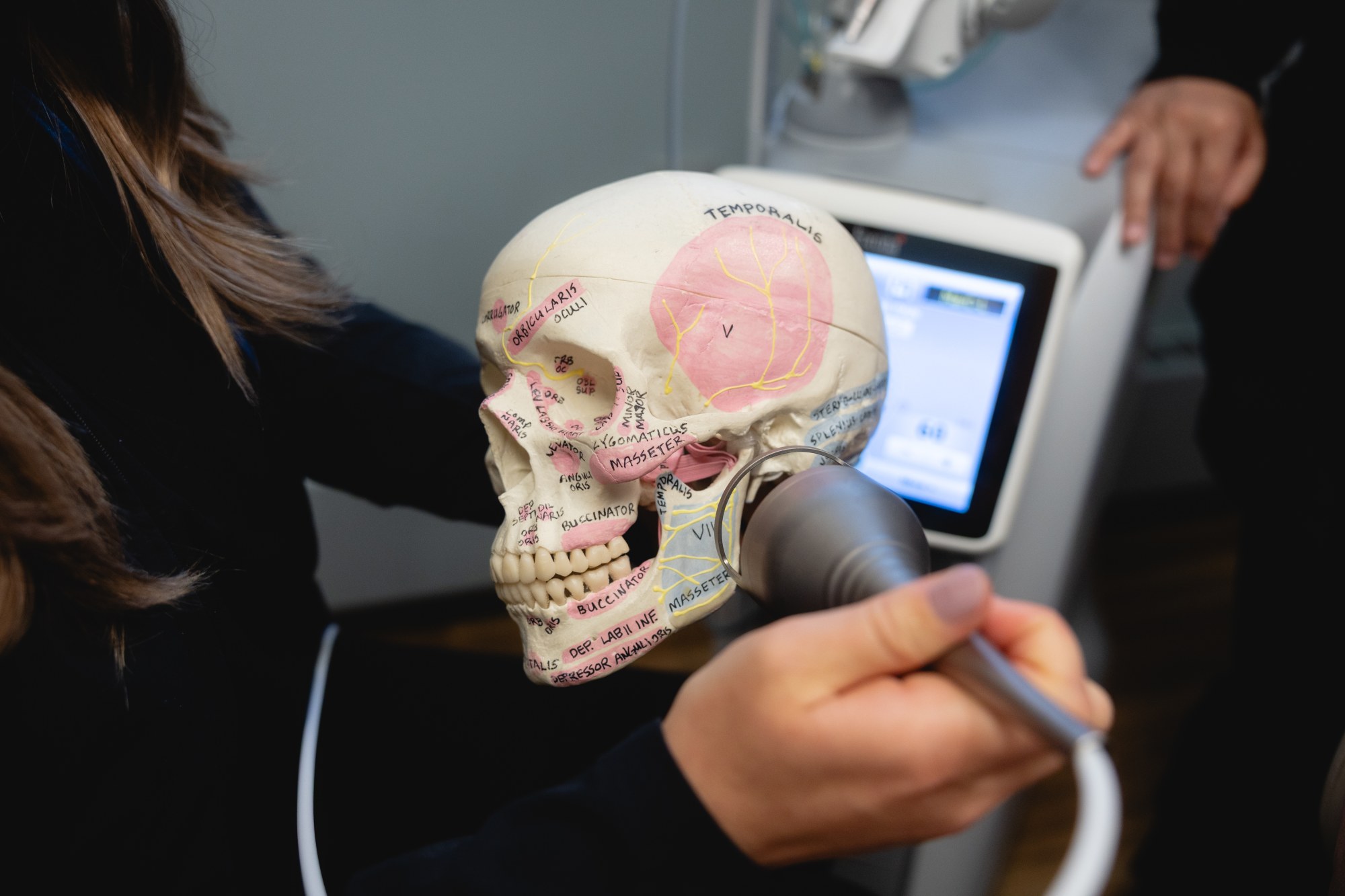
That's where an orofacial pain specialist can be particularly helpful. Orofacial pain specialists receive focused training in conditions affecting the jaw, face, mouth, and related head and neck structures. They can evaluate temporomandibular disorders (TMD) alongside headache and facial pain symptoms to determine whether there may be a connection and what type of care may be appropriate.
At Minnesota Craniofacial Center in Saint Paul, Dr. Ledermann and the team work with people experiencing complex jaw, facial, and head pain. If you've been trying to understand whether your headaches and jaw symptoms could be related, an orofacial pain evaluation can be a useful place to start.
Key Takeaways
- An orofacial pain specialist is specifically trained to evaluate pain involving the jaw, face, mouth, and related head and neck structures.
- Neurologists play an important role in evaluating and treating headache disorders, but they may not evaluate jaw mechanics or temporomandibular disorders in depth.
- General dentists can identify signs of TMD or teeth grinding and may recommend referral to an orofacial pain specialist when symptoms are complex or persistent.
- Jaw pain and headaches can occur together for several reasons, but having both symptoms does not necessarily mean one is causing the other.
- Treatment may involve coordination with other providers, depending on the underlying cause of your symptoms.
What Does an Orofacial Pain Specialist Treat?
Orofacial pain is a dental specialty focused on diagnosing and managing pain involving the mouth, jaw, face, and associated head and neck structures. That includes temporomandibular disorders, which can involve the jaw joints, the muscles used for chewing, or both. It can also include other types of facial pain and conditions that overlap with headache disorders. This overlap is important because symptoms don't always stay neatly within one area.
For example, someone with TMD may experience:
- Jaw pain or tenderness
- Pain around the temples or cheeks
- Difficulty or discomfort when opening the mouth
- Clicking or other sounds from the jaw joints
- Headaches
- Facial muscle tension
- Pain that changes with chewing or jaw movement
These symptoms can have many possible causes, which is why a thorough evaluation is key for an accurate TMJ diagnosis. An orofacial pain specialist isn't simply looking for evidence that your headaches "come from your jaw." They're looking at the broader pain pattern and considering whether the jaw, facial muscles, joints, or other structures may be contributing.
When a Neurologist May Be the Right Specialist
If you're experiencing chronic headaches or migraines, seeing a neurologist can be an important part of your care. Neurologists are trained to evaluate disorders of the nervous system and diagnose and manage many types of headaches. They can assess your symptoms, consider potential neurological causes, and recommend appropriate headache treatment. That expertise remains important even when jaw symptoms are present.
The question is what happens when your headache evaluation doesn't fully explain the jaw or facial symptoms you're experiencing.
A neurologist may not routinely perform a detailed assessment of:
- Temporomandibular joint movement
- Jaw opening and range of motion
- Chewing muscle tenderness
- Bite-related factors
- Signs of teeth clenching or grinding
- Pain reproduced through jaw movement or muscle palpation
That's not a limitation of neurological care. It's simply a reflection of the different areas these specialties are trained to evaluate. If your headaches and jaw symptoms seem to overlap, you may benefit from having both perspectives rather than choosing one specialty over the other.
Why Your General Dentist May Refer You to an Orofacial Pain Specialist
Your general dentist is often one of the first people to notice signs that something may be happening with your jaw. During a routine dental examination, they may see evidence of tooth wear, ask about grinding or clenching, notice changes in how your jaw moves, or hear you describe recurring jaw pain.
A general dentist can address many dental conditions and may manage some TMD concerns. But when pain is persistent, complicated, or difficult to diagnose, referral to an orofacial pain specialist may be appropriate. That's because diagnosing TMD and other orofacial pain conditions involves more than looking at the teeth.
The evaluation may require a closer look at the jaw joints, muscles, range of motion, pain patterns, and the relationship between different symptoms. An orofacial pain specialist has additional training specifically focused on these conditions. A referral doesn't mean your dentist missed something. In many cases, it means your dentist recognized that your symptoms would benefit from more specialized evaluation.
What Happens During an Orofacial Pain Evaluation?
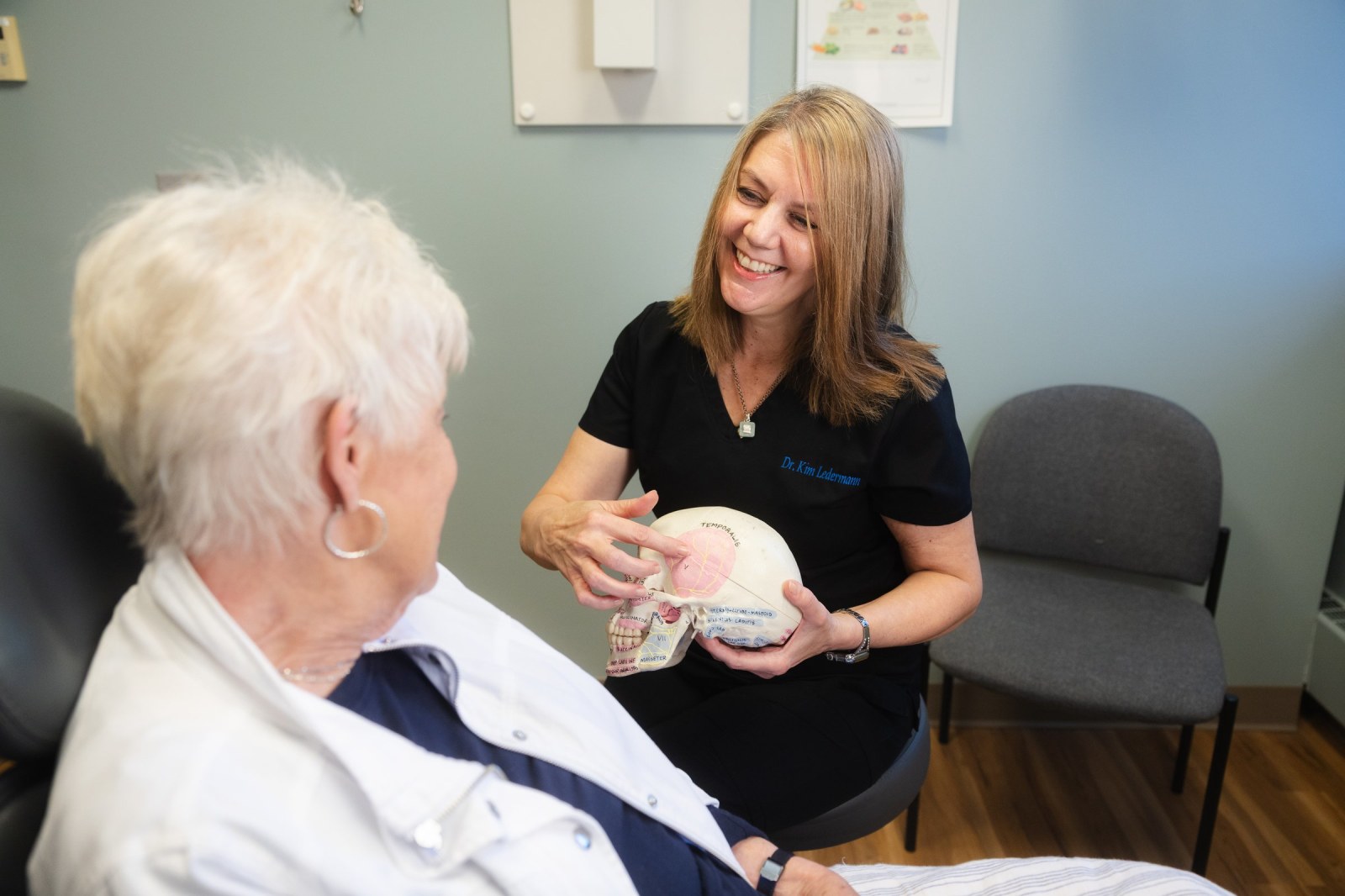
One of the biggest advantages of seeing a specialist is that the appointment isn't limited to a single symptom.
The doctor may start by talking with you about your pain and how it behaves over time. Details that might seem unrelated can actually help establish a pattern. The evaluation may include questions about:
- Where you experience pain
- How long you've been experiencing it
- How frequently headaches occur
- Whether pain is worse at particular times of day
- Whether chewing or opening your mouth changes your symptoms
- Whether you notice jaw clicking, locking, or catching
- Whether you clench or grind your teeth
- Whether you wake with jaw soreness or headaches
- Previous dental, medical, or headache treatments
- Other factors that may influence your symptoms
The physical examination can then provide another piece of the picture. The specialist may assess how your jaw opens and moves, examine the temporomandibular joints, and evaluate the muscles involved in chewing for tenderness or other abnormalities. Your bite and the way your teeth come together may also be considered as part of the overall assessment.
Imaging isn't necessarily needed for everyone. When it is appropriate, the type of imaging selected depends on what the examination suggests and what the specialist needs to evaluate. The goal is to gather the information necessary to understand your particular symptoms.
Could Your TMJ Symptoms Be Related to Your Headaches?
This is one of the most important questions to approach carefully. Jaw disorders and headaches can occur together, and pain involving the jaw and surrounding muscles can sometimes contribute to or accompany headache symptoms. However, that doesn't mean every headache experienced by someone with TMD is caused by the jaw.
Headaches have many possible causes and classifications. Some people have a primary headache disorder, such as migraine, alongside a separate jaw disorder. Others may have facial or jaw pain that contributes to their overall pain experience.
This is why an evaluation is more useful than trying to diagnose the connection yourself. Some patterns that may be worth discussing with an orofacial pain specialist include:
- Headaches that occur alongside jaw pain or facial tenderness
- Morning headaches accompanied by jaw soreness or fatigue
- Pain around the temples that seems related to chewing or jaw movement
- Jaw clicking, catching, or limited opening alongside recurring headaches
- Facial pain that has not been fully explained by previous evaluations
- Persistent jaw symptoms despite trying a night guard or other initial treatment
None of these symptoms confirms that TMD is responsible for your headaches. They simply provide useful information for a specialist evaluating the complete picture.
What If You've Already Seen Other Specialists?
You don't necessarily have to start over. If you've already seen a neurologist, dentist, primary care provider, physical therapist, or another specialist, bring that information with you. Previous diagnoses, imaging, treatment records, and medication history can all help provide context.
In some cases, the most useful next step isn't replacing one provider with another. It's adding the right specialist to the team.
Depending on your symptoms, care may involve collaboration with other professionals, such as:
- A neurologist managing a diagnosed headache disorder
- A physical therapist working on jaw, neck, or related muscle function
- A sleep specialist when sleep-related concerns are part of the picture
- Your general dentist for ongoing dental care
An orofacial pain specialist can evaluate the jaw and facial pain component while working within that broader care picture.
What Treatment Might Look Like?

There isn't one standard treatment for TMD or orofacial pain, because the appropriate approach depends on what's causing the symptoms.
Treatment may begin conservatively. Depending on your diagnosis, that could include education about jaw habits, strategies for reducing muscle strain, physical therapy, medication, or other non-invasive approaches.
Some people may benefit from an oral appliance, but a night guard isn't automatically the right answer for everyone with jaw pain or headaches. The type of appliance, whether one is appropriate at all, and how it should be used depend on the individual situation. The important thing is that treatment should follow the diagnosis rather than the other way around.
If your symptoms involve multiple overlapping conditions, treatment may also involve coordination with other providers. The objective is not simply to make the jaw feel better for a few days. It's to understand the factors contributing to your symptoms and develop an appropriate plan for managing them.
When Should You Consider an Orofacial Pain Consultation?
There's no single symptom that means you need to see an orofacial pain specialist. But an evaluation may be worth considering if you've been dealing with persistent jaw or facial pain, particularly when it occurs alongside headaches or other symptoms.
You may also want to consider a consultation if:
- Your jaw pain keeps returning
- Your jaw clicks, locks, or has limited movement
- You frequently wake with jaw soreness or headaches
- You've been told you grind or clench your teeth
- Your headaches and facial pain seem to follow a pattern
- Previous treatment hasn't fully addressed your symptoms
- You're unsure whether your symptoms are dental, neurological, muscular, or a combination
Frequently Asked Questions
Should I see a neurologist or an orofacial pain specialist for headaches?
It depends on your symptoms. A neurologist is trained to evaluate and manage headache disorders, while an orofacial pain specialist focuses on conditions involving the jaw, face, mouth, and related structures. If you have both chronic headaches and significant jaw or facial symptoms, working with both specialties may be appropriate.
Can an orofacial pain specialist diagnose TMJ disorders?
Yes. Orofacial pain specialists receive specialized training in diagnosing and managing temporomandibular disorders and other conditions affecting the jaw and facial region.
Does TMJ cause migraines?
Not necessarily. TMD and migraine can occur together, but the presence of one does not automatically mean it caused the other. A specialist can evaluate whether your jaw symptoms may be contributing to your overall pain pattern.
Do I need a referral to see an orofacial pain specialist?
Referral requirements vary by practice and insurance plan. If you're considering an evaluation at Minnesota Craniofacial Center, the team can explain what is required when you contact the office.
What if my dentist already gave me a night guard?
Bring that information to your consultation. A specialist can consider how you've responded to the appliance and whether it is appropriate for your particular symptoms. Not every type of jaw pain or headache requires the same treatment.
Can jaw pain and headaches be treated without surgery?
Many TMD and orofacial pain conditions can initially be managed with conservative, non-surgical approaches. The appropriate treatment depends on the underlying diagnosis and your individual circumstances.
Get a Closer Look at the Full Picture

When you've been dealing with chronic headaches and jaw pain, the hardest part can be figuring out where the two symptoms fit together. You don't necessarily need to choose between seeing a neurologist and seeing a dental specialist. In some cases, the most helpful step is having an orofacial pain specialist evaluate the jaw and facial pain component alongside the care you've already received.
At Minnesota Craniofacial Center in Saint Paul, Dr. Ledermann and our team can evaluate your symptoms, explain what the examination shows, and help you understand what options may be appropriate. If additional specialists are needed, your evaluation can also help clarify what questions to bring to those providers.
If you're ready to take a closer look at your jaw, facial pain, or headache symptoms, contact Minnesota Craniofacial Center to schedule a consultation.