
When You've Done Everything Right and Still Have No Answers
Persistent jaw pain, facial pain, headaches, or disrupted sleep can be difficult to evaluate when symptoms involve multiple areas of the head and neck. You may have already seen a dentist, ENT, neurologist, or another specialist and still not have a clear explanation for what you're experiencing.
That does not necessarily mean something was missed. Different specialists are trained to evaluate different structures and conditions, while craniofacial symptoms can involve several systems at once.
At Minnesota Craniofacial Center, Dr. Ledermann and our team take a comprehensive approach to evaluating these concerns. We look at the jaw joints, bite, surrounding muscles, airway, and related structures to understand how they may be contributing to your symptoms.
If you've been looking for answers after several evaluations, this guide explains where craniofacial conditions can overlap with other specialties, what a comprehensive evaluation involves, and what to consider when deciding whether this type of care may be appropriate for you.
Key Takeaways
- Jaw pain, facial pain, headaches, ear symptoms, and sleep concerns can sometimes involve interconnected craniofacial structures.
- A normal dental, ENT, or neurological evaluation can provide valuable information without necessarily identifying every possible source of symptoms.
- Temporomandibular disorders, myofascial pain, and other craniofacial conditions can produce symptoms that overlap with several medical specialties.
- A comprehensive craniofacial evaluation considers the jaw joints, bite, muscles, airway, and symptom patterns together.
- Previous dental and medical records can help provide important context during a craniofacial evaluation.
- Treatment depends on the underlying findings and may range from conservative care to coordinated treatment with other specialists.
Why Craniofacial Symptoms Can Be Difficult to Diagnose
Modern healthcare is organized around areas of specialization. Dentists evaluate the teeth and oral structures. ENTs evaluate the ears, nose, throat, and related structures. Neurologists evaluate the nervous system and conditions that affect it.
Each specialty provides important care, but symptoms involving the craniofacial region do not always remain within those boundaries.
The temporomandibular joints are located close to the ears. The muscles responsible for chewing extend into areas of the face, temples, and neck. Jaw position and facial anatomy also relate to the airway. As a result, dysfunction in one area can sometimes contribute to symptoms experienced somewhere else.
This can make the diagnostic process frustrating. Someone may have facial pressure without a sinus disorder, ear discomfort without an abnormal ear examination, or headaches that involve muscle and jaw tension in addition to other contributing factors.
A normal examination within one specialty is still valuable. It can rule out certain conditions and narrow the possibilities. However, it may not explain symptoms originating from structures outside that specialty's primary area of evaluation.
This is one reason a comprehensive craniofacial assessment can be useful for people whose symptoms have persisted without a clear explanation.
What a General Dental Examination Can and Cannot Evaluate
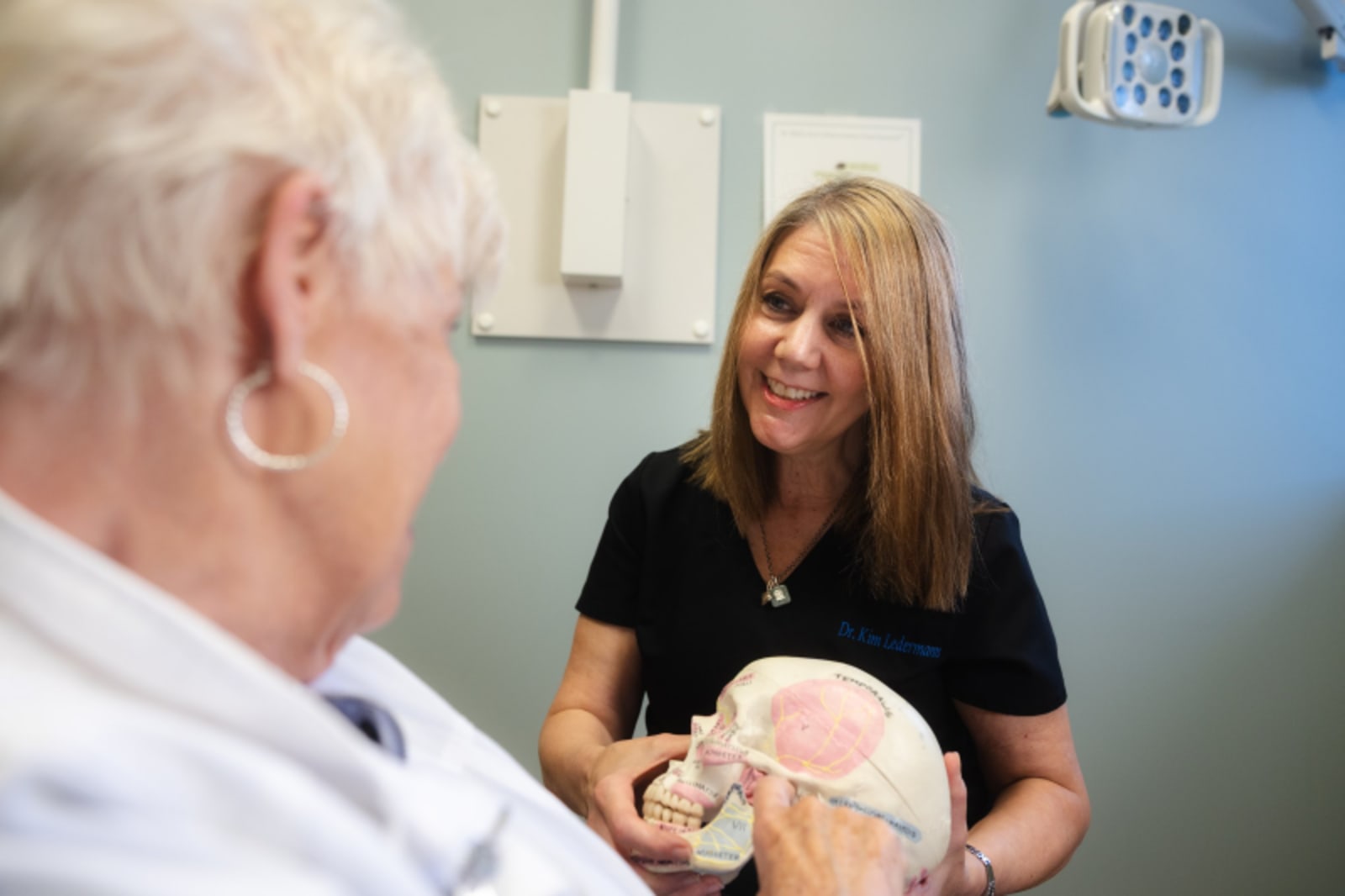
A routine dental examination is designed to identify conditions affecting the teeth, gums, and other oral structures. Depending on the visit, your dentist may evaluate:
- Tooth decay and existing restorations
- Gum health and periodontal disease
- Tooth wear and other signs associated with clenching or grinding
- The general relationship between the upper and lower teeth
- Visible abnormalities involving the teeth and oral tissues
These evaluations are important, but they are not necessarily equivalent to a detailed assessment of jaw function or craniofacial pain.
A comprehensive evaluation of temporomandibular disorders may consider the jaw joints, chewing muscles, range of motion, joint loading, bite relationships, and patterns of referred pain. These factors may not be part of a routine dental examination.
For that reason, being told that your teeth are healthy does not necessarily mean that your jaw or surrounding muscles are functioning normally. In some cases, the teeth are not the primary source of the symptoms.
The appropriate next step may be a more specialized evaluation focused on the structures responsible for jaw movement and the broader craniofacial system.
What an ENT Evaluation Can and Cannot Explain
An ENT evaluation can be particularly important when symptoms include ear pressure, sinus complaints, nasal obstruction, or throat concerns. ENTs are trained to identify conditions involving these structures, including infection, inflammation, obstruction, and other abnormalities.
A normal ENT examination can therefore provide useful information. If the ears, sinuses, and throat appear healthy, it becomes less likely that those structures are the primary source of the symptoms.
However, the temporomandibular joint sits immediately adjacent to the ear, and dysfunction involving the joint or surrounding muscles can sometimes produce sensations that resemble an ear disorder. Facial and jaw muscle tension may also contribute to pain or pressure in nearby areas.
This can create a particularly confusing experience. A person may feel pressure around the ear while having no underlying ear disease. The symptom is real, but its source may be outside the ear itself.
A craniofacial evaluation considers whether the jaw joints, muscles, bite, and surrounding structures could be contributing to symptoms that initially appeared to originate elsewhere.
What a Neurological Evaluation Can and Cannot Explain
Neurological evaluation is also an important part of investigating persistent headaches and facial pain. Neurologists evaluate conditions involving the nervous system and may use imaging, neurological examinations, and symptom patterns to identify or rule out neurological disorders.
A normal neurological evaluation can provide important reassurance and help narrow the diagnostic possibilities. It does not necessarily determine whether mechanical or muscular factors involving the jaw and craniofacial structures are contributing to head or facial pain.
Headaches can have multiple contributing factors. Some people experience primary headache disorders such as migraine, while others may also have musculoskeletal or jaw-related factors that influence the frequency or severity of their symptoms.
Jaw clenching, muscle tension, temporomandibular disorders, and referred pain can all be relevant when evaluating someone with persistent head or facial pain.
This does not mean that every headache originates from the jaw, nor does a craniofacial evaluation replace appropriate neurological care. Instead, it provides another perspective when symptoms remain unexplained or difficult to manage.
How Jaw Problems Can Contribute to Headaches, Facial Pain, and Ear Symptoms
One reason craniofacial conditions can be difficult to identify is that the location of pain does not always correspond to its source.
The temporomandibular joints and muscles responsible for chewing are connected to a broader network of muscles, nerves, and connective tissues throughout the head and neck. When these structures are under prolonged stress, discomfort may be experienced in areas beyond the jaw itself.
For example, someone with temporomandibular dysfunction may experience:
- Pain around or in front of the ears
- Temple or forehead headaches
- Facial tenderness
- Jaw stiffness or fatigue
- Neck and shoulder tension
- Pain that becomes more noticeable with chewing
- Morning jaw discomfort associated with nighttime clenching or grinding
These symptoms can vary considerably from person to person. Some people have primarily joint-related symptoms, while others experience predominantly muscular pain. Some may have both.
The relationship between jaw disorders and headaches is also not necessarily one-directional. A person with an existing headache disorder may clench or tighten the jaw in response to pain or stress, while persistent jaw muscle tension may contribute to or intensify an existing headache pattern.
This is why it is important not to assume that a symptom has one universal cause. A careful evaluation should consider the individual's history, examination findings, and other relevant medical conditions.
The purpose of craniofacial care is not to attribute every headache or ear symptom to the jaw. It is to determine whether the jaw and surrounding structures are contributing to the overall pattern.
Conditions That Can Overlap Multiple Specialties
Several conditions involving the craniofacial region can produce symptoms that overlap with dental, ENT, neurological, and sleep-related disorders.
These may include:
- Temporomandibular disorders (TMD): Conditions affecting the temporomandibular joints, chewing muscles, and related structures.
- Myofascial pain: Pain associated with muscles and the surrounding connective tissues of the jaw, face, head, and neck.
- Craniofacial pain disorders: Conditions that can produce pain or altered sensations across the face, jaw, head, and surrounding areas.
- Sleep-disordered breathing: Breathing abnormalities during sleep that may be influenced by craniofacial anatomy and airway function.
These conditions can occur independently or alongside other disorders. Their symptoms may also overlap.
That is why diagnosis should be based on a person's complete history and clinical findings rather than on one symptom alone. The goal is not to assume that every symptom has the same cause, but to determine which factors may be contributing and how they relate to one another.
When Should You Consider a Craniofacial Evaluation?
A craniofacial evaluation is not necessarily the next step for everyone with a headache, jaw click, or occasional facial discomfort. Many common symptoms have straightforward explanations and can be appropriately managed within primary dental or medical care.
A more comprehensive evaluation may be worth considering when symptoms are persistent, recurrent, difficult to explain, or have not improved with appropriate treatment.
Some situations that may warrant further evaluation include:
- Jaw pain or stiffness that persists or repeatedly returns
- Difficulty opening or closing the mouth normally
- Recurring headaches accompanied by jaw tension or facial pain
- Facial pain without an identifiable dental or sinus cause
- Ear pressure or discomfort despite a normal ENT evaluation
- Significant nighttime clenching or grinding
- Jaw symptoms that interfere with eating or speaking
- Multiple overlapping symptoms involving the jaw, face, ears, head, or neck
- Symptoms that have continued despite treatment directed at another suspected cause
Previous evaluations are not a reason to avoid another assessment. In fact, those evaluations can provide useful information. Knowing that a dental examination, ENT workup, or neurological evaluation did not identify a particular condition helps establish what has already been considered.
A craniofacial evaluation should complement, rather than replace, appropriate medical care. If symptoms suggest a neurological, ENT, dental, or other medical condition, coordination with the appropriate specialist may still be an important part of diagnosis and treatment.
How a Craniofacial Evaluation Is Different
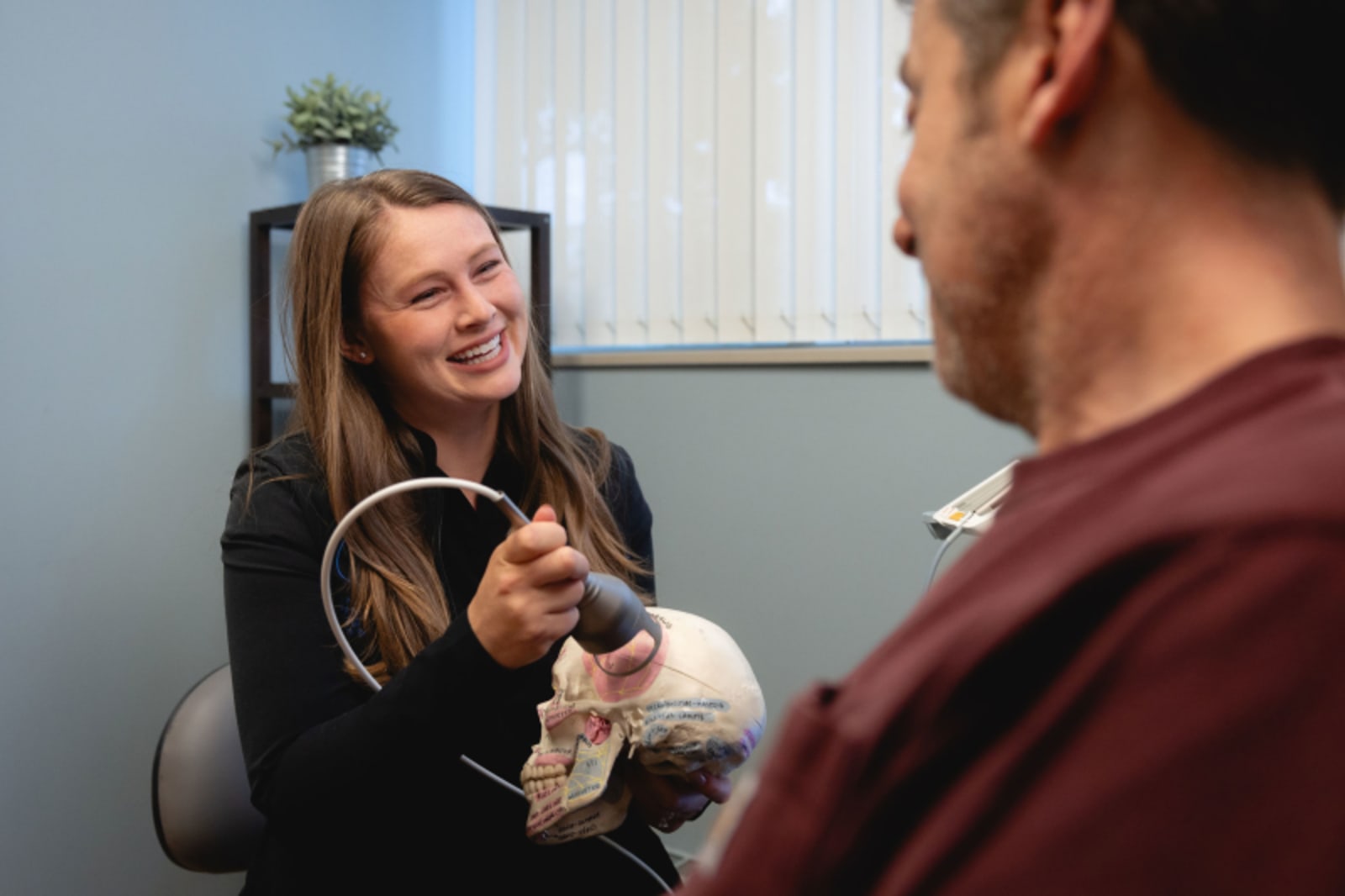
A craniofacial evaluation takes a broader view of the structures involved in jaw function, facial pain, and related symptoms.
At Minnesota Craniofacial Center, our evaluation considers several areas, including:
- Jaw joint function and range of motion
- Bite relationships and jaw mechanics
- Airway structure and function
- Muscle tension involving the face, jaw, head, and neck
- Patterns of pain and other reported symptoms
- Relevant medical, dental, and treatment history
The purpose is not simply to identify where something hurts. We want to understand how the different structures involved may be interacting.
Depending on the clinical situation, diagnostic records and imaging may also be used to provide additional information. Our TMD diagnosis page provides more information about the diagnostic process, while our new patient page explains what to expect when beginning care.
What to Bring to Your First Craniofacial Appointment
Previous evaluations can be extremely helpful during a craniofacial consultation. If you have already seen a dentist, ENT, neurologist, sleep specialist, or another provider, bring any records that are available.
These may include:
- Previous imaging and radiology reports
- Dental records
- Specialist consultation notes
- Previous diagnoses
- Medication lists
- Records of previous treatments
- Sleep studies, when applicable
It is also helpful to prepare a brief history of your symptoms. Consider noting when they began, how frequently they occur, and whether particular activities or circumstances make them better or worse.
For example, you may want to document whether symptoms are associated with:
- Waking in the morning
- Chewing or eating
- Stress or periods of increased tension
- Certain sleeping positions
- Jaw clenching or grinding
- Changes in sleep quality
- Specific medications or treatments
A written symptom history can help ensure that important details are not overlooked during the appointment.
When Sleep Is Part of the Picture
Sleep concerns are particularly important when jaw pain, clenching, headaches, or facial symptoms occur together.
Craniofacial anatomy can influence the upper airway, while sleep-related breathing problems may affect muscle activity and other patterns involving the jaw. Some people with sleep-disordered breathing also experience symptoms such as snoring, restless sleep, morning headaches, or nighttime clenching.
These symptoms do not necessarily have a single cause. However, when sleep concerns occur alongside craniofacial symptoms, they deserve to be considered as part of the overall evaluation.
At Minnesota Craniofacial Center, we consider sleep and breathing concerns when they are relevant to a person's presentation. You can learn more through our Snoring & Sleep Apnea page or complete our Sleep Survey for additional information about common symptoms.
What Happens After a Diagnosis?
Receiving a diagnosis can provide an important starting point, particularly after previous evaluations have not produced a clear explanation. The appropriate treatment depends on the underlying condition, its severity, and the factors contributing to it.
Depending on the findings, treatment may include:
- Oral appliance therapy
- Physical therapy or neuromuscular rehabilitation
- Conservative approaches to managing muscle tension and jaw function
- Coordination with other medical or dental specialists
- Behavioral or postural changes that support long-term jaw function
- More involved treatment when conservative options are not appropriate or have not provided adequate results
Not every person requires the same treatment, and a diagnosis does not automatically mean that invasive treatment is necessary.
Our goal is to develop care around the individual findings identified during the evaluation. When other specialists are involved in your care, coordination may also be appropriate.
You can learn more about the diagnostic process on our Diagnosis of TMD page.
Taking the Next Step at Minnesota Craniofacial Center

If you have experienced persistent jaw pain, facial pain, headaches, sleep concerns, or related symptoms despite previous evaluations, a comprehensive craniofacial assessment may provide another perspective.
At Minnesota Craniofacial Center, we work with people whose symptoms may involve several interconnected structures and conditions. Our approach begins with a detailed history and evaluation rather than assuming that one diagnosis explains every symptom.
During your first visit, we will review your history, discuss your concerns, and determine which areas require further evaluation. Previous dental, medical, or specialist records can help provide additional context.
You can learn more about the new patient process or request an appointment through our contact page.
Minnesota Craniofacial Center is located at 2550 University Avenue West, Suite 143N in Saint Paul. You can also reach our office directly at 651-642-1013.